
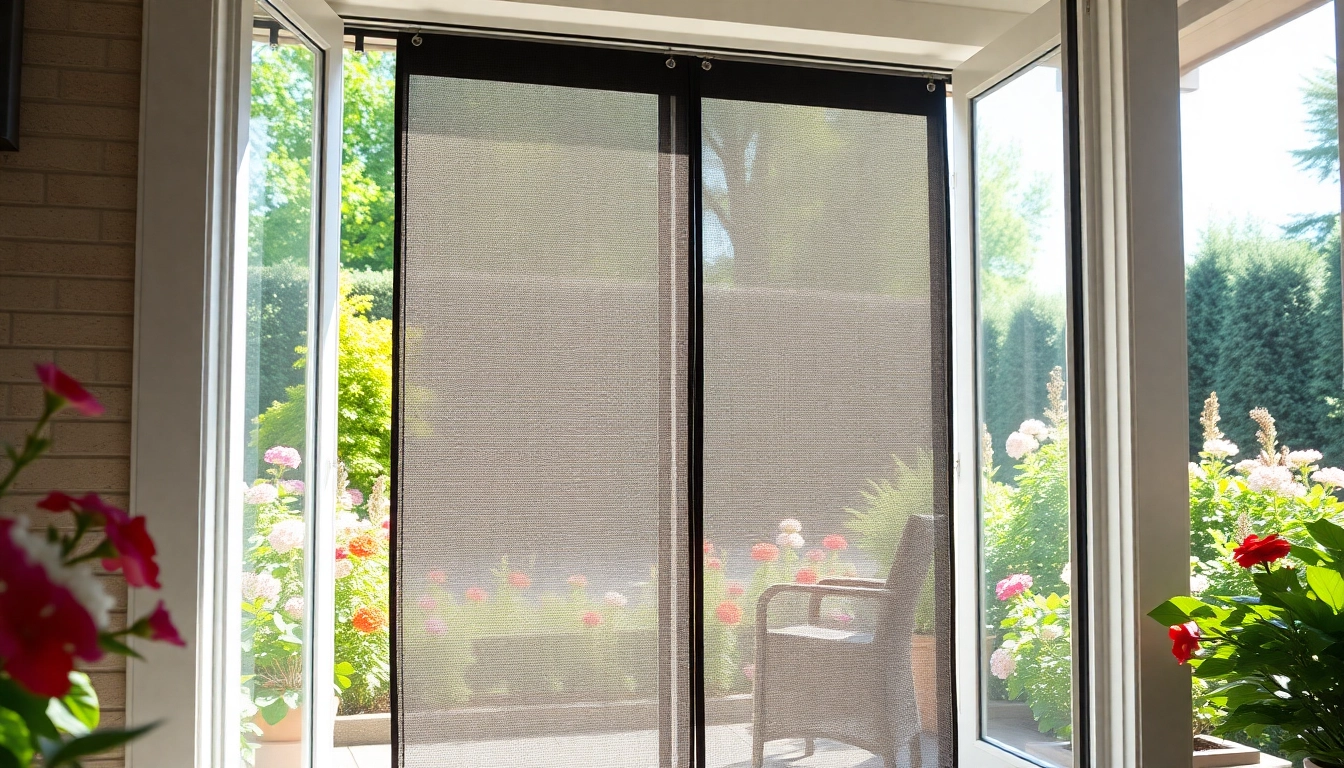
Understanding Fly Screen for Patio Doors
What is a Fly Screen?
A fly screen is a mesh barrier designed to keep insects out while allowing fresh air to circulate. Typically made of durable materials, fly screens can be fitted into windows and doors, offering a practical solution to the common problem of invading pests. For patio doors, a well-installed fly screen not only enhances the functionality of your space but also allows you to enjoy the outdoors without unwanted nuisances. For specific options tailored to your needs, explore this fly screen for patio doors that can complement your home’s aesthetic seamlessly.
Benefits of Using Fly Screens for Patio Doors
Using fly screens on patio doors offers numerous benefits, making them a wise investment for homeowners. One significant advantage is insect protection. Fly screens prevent flies, mosquitoes, and other pests from entering your home while allowing air to flow freely. This helps to maintain a comfortable indoor environment during warmer months.
Additionally, fly screens enhance ventilation, reducing reliance on air conditioning and promoting natural airflow. They are also easy to install and can improve the visual appeal of your patio, allowing you to enjoy the landscape without compromising on comfort. Moreover, fly screens offer added privacy while still providing visibility to the outside world.
Another noteworthy benefit is energy efficiency. Well-placed fly screens can prevent sun exposure from directly heating your home, thereby lowering cooling costs. They also help reduce the condensation that can lead to mold and mildew within your space.
Types of Fly Screens Available
There are several types of fly screens available for patio doors, each designed to suit different needs and preferences. Here are a few popular options:
- Retractable Fly Screens: These screens retract into a housing when not in use, allowing for unobstructed views and easy access through patio doors.
- Sliding Fly Screens: Perfect for larger openings, sliding screens glide open and closed, providing easy access to your patio.
- Pleated Fly Screens: An innovative design that folds like an accordion, pleated screens offer a modern look while providing effective insect protection.
- Magnetic Fly Screens: Easy to install, these screens use magnets to close automatically after passing through, making them user-friendly and versatile.
- Fixed Fly Screens: For areas where access is less frequent, fixed screens remain in place, offering continual protection from insects.
Choosing the Right Fly Screen for Your Patio
Factors to Consider Before Purchase
Before purchasing a fly screen for your patio doors, several factors should be considered to ensure it meets your requirements:
- Size: Measure your patio door accurately to determine the appropriate size for your fly screen. An ill-fitted screen can reduce effectiveness and lead to infestations.
- Material: Opt for high-quality materials that are durable and resistant to weather elements. Fiberglass and aluminum are commonly used materials.
- Ease of Use: Consider how frequently you will be using your patio doors. Choose a screen type that offers convenience, such as retractable or sliding options.
- Installation Type: Determine whether you prefer DIY installation or the convenience of professional installation, which may come with additional costs.
- Style: Aesthetic appeal is essential. Select a screen that complements your home’s design while providing functional protection.
Measuring Your Patio Doors Accurately
Accurate measurements are crucial when selecting a fly screen for patio doors. To measure correctly, follow these steps:
- Measure the Height: Use a tape measure to capture the height from the bottom of the door frame to the top. Ensure you measure at multiple points to account for any discrepancies.
- Measure the Width: Measure the width at the widest point of the door frame, again checking multiple areas for accuracy.
- Check for Obstacles: Ensure that there are no obstacles that could interfere with the installation or operation of the screen.
By having precise measurements, you can select a fly screen that fits seamlessly into your home.
Materials Used in Fly Screens
The material used in your fly screen significantly influences its durability and effectiveness. Here are some common materials:
- Fiberglass Mesh: Versatile and lightweight, fiberglass is resistant to rust and corrosion, making it ideal for outdoor applications. It also allows for excellent airflow.
- Aluminum Mesh: Aluminum is a strong choice, providing durability and protection against the elements. It’s suitable for high-traffic areas due to its resilience.
- PVC Coated Screens: These screens offer additional protection through a PVC coating, enhancing weather resistance and longevity.
- Stainless Steel Mesh: For ultimate durability, stainless steel screens are resistant to corrosion and are perfect for coastal areas.
Installation Process of Fly Screen for Patio Doors
DIY vs. Professional Installation
Deciding between DIY installation and hiring a professional depends on several factors, including your comfort level with tools and the complexity of the screen system. DIY installation can save money and give you a sense of satisfaction, with many fly screens designed for straightforward assembly. However, if you’re not confident in your skills or if the installation seems complex, hiring a professional ensures correct placement and function.
Professionals can also provide tailored advice and insights, maximizing the effectiveness of your fly screen for patio doors.
Step-by-Step Installation Guide
Should you choose to handle the installation yourself, here is a simple step-by-step guide:
- Gather Tools: Required tools typically include a screwdriver, drill, level, measuring tape, and possibly a saw.
- Prepare the Area: Clean the door frame where the screen will be installed to allow for a secure fit.
- Mark and Align: Position the screen frame within the door frame, ensuring it is square and level. Make necessary marks for installation.
- Secure the Frame: Follow the manufacturer’s instructions to secure your fly screen into place, typically using screws or brackets.
- Test the Functionality: Open and close the screen to ensure it operates smoothly and adjusts as needed.
Common Installation Mistakes to Avoid
Here are some common pitfalls during installation and how to avoid them:
- Incorrect Measurements: Double-check your measurements before embarking on the installation.
- Neglecting Alignment: Ensure the screen is properly level to avoid complications while using it.
- Improper Securing: Use the appropriate tools and techniques recommended by the manufacturer for a secure fit.
- Not Allowing for Expansion: Materials can expand or contract due to temperature changes. Allow for some flexibility in the installation.
Maintenance Tips for Fly Screens
Cleaning Your Fly Screen
Regular cleaning ensures that your fly screen continues to function effectively. Here are some simple cleaning steps:
- Dusting: Use a soft brush or cloth to remove surface dust from the mesh.
- Washing: Gently wash the screen with warm soapy water, scrubbing with a soft sponge as needed. Avoid harsh chemicals that could damage the material.
- Rinsing and Drying: Rinse off any soap residues with clean water and allow the screen to air dry before reinstalling.
Repairing Minor Damages
Minor damages to your fly screen, such as small tears, can often be repaired easily:
- Patch Kits: Purchase a screen patch kit to cover small holes. Follow the kit instructions for application.
- Replacement Screens: For larger damages, consider replacing only the affected section if the design allows.
- Professional Assistance: Consult a professional for more extensive repairs if necessary, especially for custom screens.
When to Replace Your Fly Screen
Replacement might be necessary under the following conditions:
- Excessive Wear: If the mesh looks significantly frayed or damaged, it may no longer be effective.
- Altered Functionality: If the screen no longer fits properly or does not operate smoothly, it may be time for a new one.
- Mold or Mildew Developments: If your screen accumulates dirt and debris that cannot be cleaned, consider replacing it to maintain hygiene.
Real-Life Applications and User Experiences
Customer Stories and Feedback
Real-life applications showcase the effectiveness of fly screens for patio doors. Customers have reported enjoying their outdoor spaces more freely, without the distraction of insects. Feedback often highlights improved indoor air quality and comfort, making fly screens a favored choice among homeowners.
Case Studies of Effective Usage
Several case studies illustrate the successful implementation of fly screens. One notable example focuses on a family that installed a pleated fly screen on their patio door, praising its ease of use and stylish appearance. They reported that the screen had significantly reduced insect intrusions and allowed full enjoyment of the natural light and breeze.
FAQs About Fly Screens for Patio Doors
1. How do I know what size fly screen I need?
Measure the height and width of your patio door frame accurately for the best fit.
2. Can I install a fly screen by myself?
Yes, many fly screens are designed for DIY installation, with clear instructions included.
3. What materials are best for fly screens?
Fiberglass and aluminum are popular choices due to their durability and effectiveness.
4. How do I maintain my fly screen?
Regularly dust and clean the screen with soapy water to maintain its effectiveness.
5. When should I replace my fly screen?
Replace the screen if it shows excessive wear, tears, or if it no longer functions properly.