
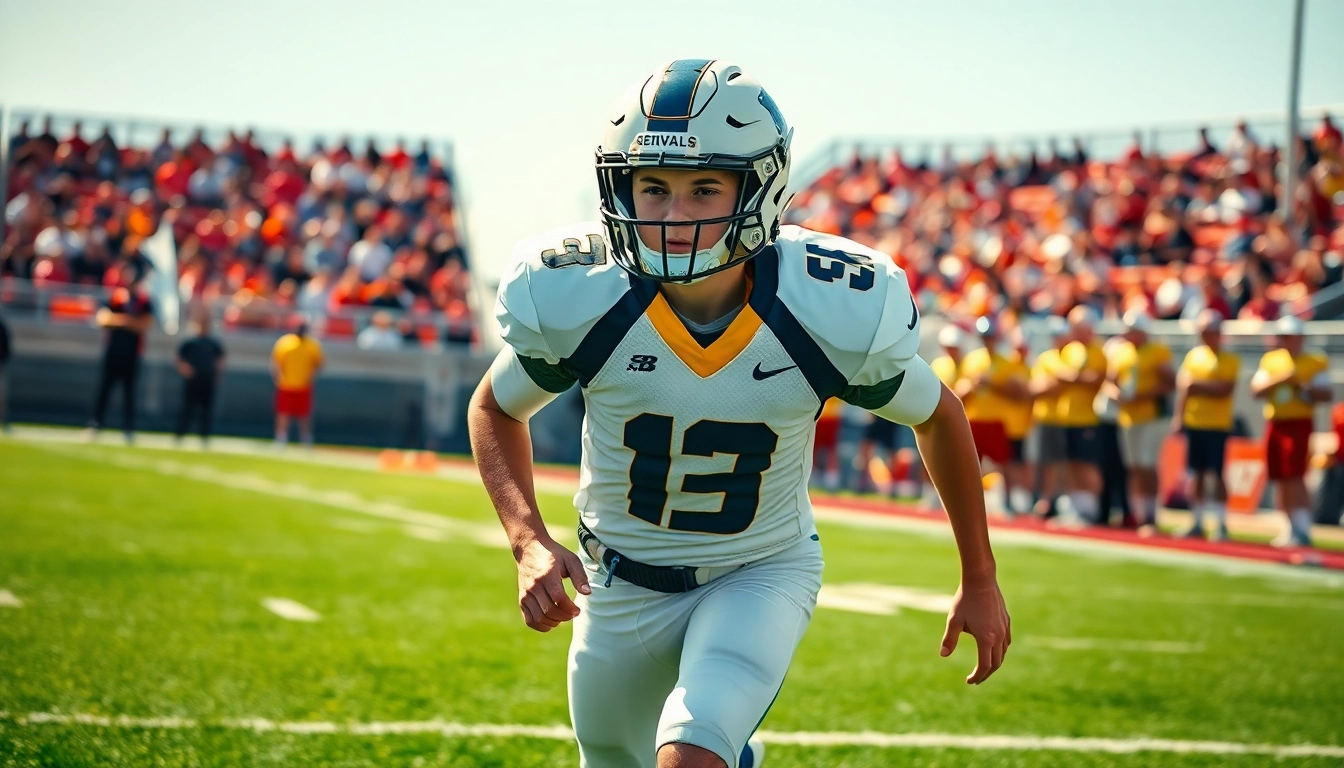
Understanding Shoulder Injuries in Football
Football is an intense sport requiring explosive movements, quick direction changes, and high-impact collisions, which can put significant strain on athletes’ bodies, especially the shoulders. Shoulder injuries are among the most common issues faced by players at all levels of the game. Understanding these injuries, their implications, and the role of effective recovery tools is crucial for any football player. When exploring options, shoulder braces for football offer essential insights into injury prevention and recovery.
Common Types of Shoulder Injuries
In football, several types of shoulder injuries can occur, each with varying degrees of severity:
- Shoulder Dislocation: This occurs when the humerus is forced out of its socket, which can happen during tackles or falls.
- Rotator Cuff Injuries: The rotator cuff is a group of muscles and tendons stabilizing the shoulder. Injuries often arise from overuse or trauma, leading to pain and decreased mobility.
- AC Joint Sprains: Commonly seen in contact sports, these injuries involve the acromioclavicular joint and can occur from falls or shoulder impacts.
- Fractures: A break in one or more of the bones of the shoulder can result from direct blows or falls.
Consequences of Ignoring Shoulder Pain
Ignoring shoulder pain can lead to severe consequences, including:
- Increased risk of further injury, making recovery more complicated.
- Chronic pain that can limit an athlete’s performance on the field.
- Long-term complications that could lead to surgery and prolonged downtime.
Importance of Early Diagnosis and Treatment
Addressing shoulder injuries early is vital for football athletes. An early diagnosis can lead to more effective treatment options, including physical therapy, medication, or the use of protective gear. Delays in treatment may result in long-lasting effects that could hinder an athlete’s career.
The Role of Shoulder Braces in Football
Shoulder braces serve a crucial role in both the prevention and rehabilitation of shoulder injuries. They provide structural support, help stabilize the shoulder joint, and facilitate recovery while allowing athletes to safely participate in their sport.
How Shoulder Braces Provide Support and Stability
These devices are designed to restrict movement in specific directions, reducing the risk of further injury during play. By stabilizing the shoulder joint, a brace can significantly decrease the likelihood of dislocations and sprains, allowing players to focus more on their performance rather than their vulnerabilities.
Types of Shoulder Braces Used in Football
Understanding the various types of shoulder braces available can help players make informed choices:
- Stabilizers: These braces are designed to limit motion and provide support during recovery processes.
- Compression Sleeves: These offer compression and heat retention to enhance blood circulation, aiding in pain relief and muscle recovery.
- Functional Braces: These allow for some movement while still offering enough support to prevent injury.
Choosing the Right Shoulder Brace for Your Needs
Selecting the appropriate shoulder brace depends on the type and extent of the injury. Consultation with a sports physician or physical therapist can provide players with the best options tailored to their individual needs and activity levels.
Top Features to Look for in Shoulder Braces for Football
When opting for a shoulder brace, several features should be considered to ensure maximum benefit and comfort:
Material and Breathability for Comfort
Football is a physically demanding sport, so choosing a shoulder brace made from breathable materials is essential. This ensures that players remain comfortable during both practice and games. Look for braces that utilize moisture-wicking fabrics to keep sweat at bay.
Adjustability and Fit for Optimal Performance
Proper fit is crucial in ensuring a brace functions effectively. An adjustable brace allows for customized tightness, ensuring adequate support without restricting blood flow or comfort.
Impact Resistance and Protection Features
Braces designed with protective padding can offer an additional layer of defense against impacts from tackles and falls. This feature is critical for players looking to return to the game quickly and safely.
Real-World Benefits of Using Shoulder Braces
Numerous athletes have experienced substantial benefits from using shoulder braces, from improved performance to reduced injury rates.
Case Studies: Athletes Who Benefitted from Braces
Many professional players have reported a significant decrease in shoulder injuries after incorporating braces into their training regimens. For example, NFL athletes often wear stabilizing braces that allow them to play through minor injuries without exacerbating their conditions.
Testimonials: Improvements in Performance
Testimonials from users of shoulder braces emphasize their importance in maintaining peak performance levels. Players frequently express relief from pain and improved confidence when using quality braces during games.
Preventative Benefits: Avoiding Future Injuries
Preventative care remains a significant focus in sports medicine. By wearing shoulder braces, athletes can reduce their risks of future injuries, allowing for longer and more career-effective playing periods.
Future Trends in Football Shoulder Bracing
The landscape of sports safety gear, including shoulder bracing, is continuously evolving, driven by advancements in materials and technology.
Innovations in Materials and Technology
Future shoulder braces may incorporate smart technology, allowing for real-time feedback on joint movement and stress levels. These innovations could provide coaches and players with better data to optimize training and recovery.
Anticipated Changes in Football Safety Regulations
With growing awareness of the risks associated with football, expect to see stricter safety regulations concerning equipment, including mandatory use of upgraded protective gear for youth and amateur leagues.
Growing Importance of Injury Prevention Strategies
As knowledge about the long-term effects of sports injuries increases, the emphasis on prevention will likely expand, prompting further research into effective bracing techniques and their implementation in football training regimens.